Operational Excellence for COOs: Frameworks, Metrics, and Culture
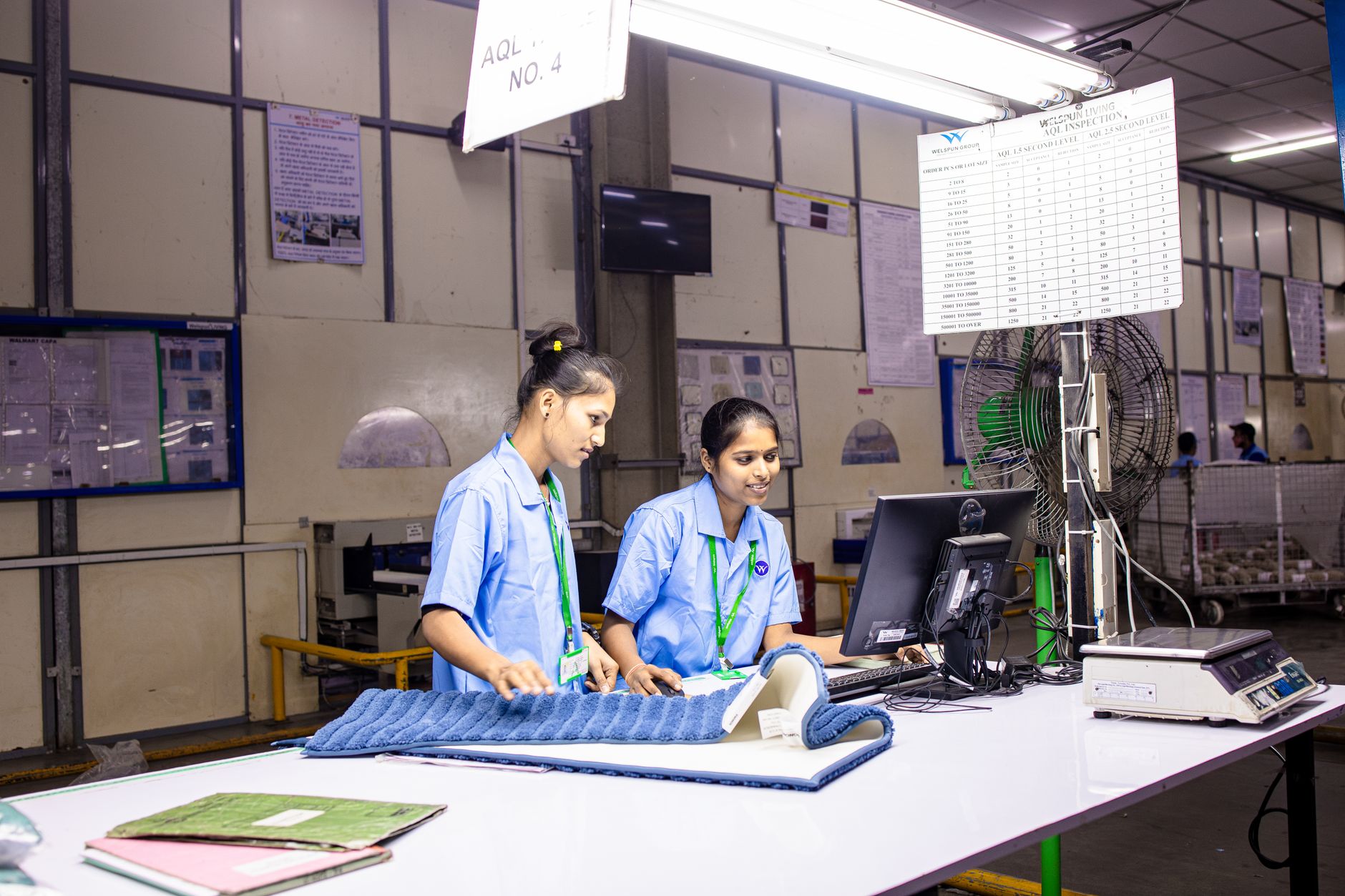
Operational excellence is not a poster in the break room. It is a working system: standard ways of doing repeatable work, honest measurement of how that work performs, and a daily habit of finding and fixing problems close to where they happen. When those three things run together, quality rises, cost falls, and lead times shrink at the same time, without heroics.
For a COO, the payoff is specific. You get fewer surprises, because variation is controlled. You get more capacity from the same headcount, because waste is removed instead of worked around. And you get a team that surfaces problems early instead of hiding them, because the system rewards finding a defect rather than punishing the person who found it.
The trap most operations leaders fall into is treating excellence as a series of projects: a Six Sigma initiative this quarter, a cost-cutting drive next quarter, a new dashboard after that. Projects end. Excellence is the opposite, a steady operating rhythm that keeps improving after the consultants leave. This guide covers what the term actually means, the three frameworks worth knowing, the metrics that prove progress, and how to build the culture that makes improvement stick.
What operational excellence actually means (not a slogan)
At its core, operational excellence means your organisation reliably delivers what the customer values, at the lowest sensible cost, and gets a little better at it every week. Three ideas sit underneath. Standard work is the current best-known way to do a task, written down and actually followed. Flow means work moves without stalling, piling up, or being reworked. Continuous improvement means everyone, not just managers, looks for the next problem to solve.
Weak looks like this: every experienced person does the job their own way, so output quality depends on who is on shift. Problems get escalated, firefought, and forgotten, only to return next month. Metrics live in a monthly report nobody acts on. Improvement happens when a senior leader gets frustrated and orders a project.
Strong looks like this: the current best method for each key task is documented and used, so a new hire reaches competence faster and quality is consistent. When something breaks, the team runs a quick root-cause check and changes the standard so it cannot break the same way twice. Frontline staff raise improvement ideas weekly, and most are acted on within days.
Example: a claims-processing team cut its average turnaround not by hiring, but by writing one standard checklist for the three claim types that caused most of the rework, then reviewing every rejected claim for a fortnight to find why the checklist got skipped. The fix was a system fix, not a motivation speech. For the leadership habits behind this shift, see what separates strong operating leaders.
The three frameworks every COO should know
You do not need to pick one framework and defend it like a religion. Lean, Six Sigma, and Total Quality Management overlap heavily and are usually strongest combined. The useful question is which problem you are solving right now.
| Framework | Core question it answers | Best when | Signature tools | Watch out for |
|---|---|---|---|---|
| Lean | Where is time and effort wasted? | Slow, cluttered, high-inventory processes | Value-stream mapping, kaizen, 5S, pull systems | Cutting so hard you remove useful slack |
| Six Sigma | Why is quality inconsistent? | High defect or variation, data available | DMAIC, statistical process control, control charts | Over-analysis and heavy training overhead |
| Total Quality Management | How do we make quality everyone's job? | Culture and cross-department quality gaps | Customer feedback loops, standardisation, PDCA | Staying vague if not tied to hard metrics |
Lean grew out of the Toyota Production System and targets waste, muda in the original term: overproduction, waiting, unnecessary movement, excess inventory, over-processing, defects, and unused talent. The signature practice for a COO is value-stream mapping: draw every step a unit of work passes through, mark which steps add value the customer would pay for and which do not, then attack the non-value steps. Kaizen, the habit of small continuous improvements made by the people doing the work, is what keeps the gains coming. Strong Lean feels calm, because flow is smooth. Weak Lean is a one-off "waste week" that fades.
Six Sigma attacks variation. Its backbone is the DMAIC cycle: Define the problem and what the customer needs, Measure current performance with real data, Analyse to find the true root cause, Improve by changing the process, and Control so the gain holds. The discipline it forces is to prove cause and effect with data rather than argue from opinion. A COO does not need every manager to be a black belt, but the DMAIC habit of measuring before changing is worth spreading widely. For how to build that measurement muscle, see running operations on data, not gut feel.
Total Quality Management is the broadest of the three. It treats quality as the responsibility of every function, not a final inspection step, and it leans on customer feedback, standardisation, and the Plan-Do-Check-Act (PDCA) loop. TQM is where Lean's flow and Six Sigma's rigour become a company-wide way of working rather than a toolkit owned by one department.
A practical sequence: map the process with Lean thinking to see where waste and delay live, use Six Sigma's DMAIC on the two or three steps that cause the most defects, and use TQM's habits to keep the standard alive. Our step-by-step process optimisation guide walks through this in more detail.
The metrics that prove operational excellence
A framework without measurement is a belief system. The COO's job is to pick a small set of metrics that together show whether quality, speed, and cost are moving in the right direction at the same time, then review them often enough to act.
Useful families of measure include:
- Quality: first-pass yield (the share of work done right the first time), defect or escape rate, and customer satisfaction.
- Speed: cycle time, lead time, and on-time delivery.
- Cost and productivity: cost per unit, resource utilisation, and for equipment-heavy operations, Overall Equipment Effectiveness (OEE), which combines availability, performance, and quality into one number.
- People: employee engagement, plus the count of improvement ideas raised and implemented, a leading indicator that the culture is alive.
Example: a fulfilment operation that only watched throughput looked healthy until it added first-pass yield and saw that a large slice of its fast-shipped orders came straight back. Pairing the two metrics turned a vanity number into an honest one. For choosing the right measures, see our guide to the operations metrics that matter and how to approach measuring efficiency without gaming it.
Building a culture of continuous improvement, not one-off projects
This is where most operational excellence efforts quietly die. A project delivers a burst of improvement, the team disbands, and the process slowly drifts back. Culture is what keeps improvement running when no project is active.
Four things a COO controls decide whether it sticks:
- Make problems safe to surface. If raising a defect gets someone blamed, problems go underground and you lose your early-warning system. Reward the finding, fix the process.
- Give improvement a rhythm. A short daily or weekly team huddle at a visible board, where the team reviews one metric and picks one problem to solve, beats an annual offsite every time.
- Standardise the win. An improvement that is not written into the standard work is a temporary favour. Update the SOP the same day.
- Have leaders go and see. Reviewing operations from the actual floor or a real customer ticket, not a slide, keeps the improvement honest and signals that the work matters.
| Stage | What it looks like | Improvement pattern |
|---|---|---|
| Reactive | Firefighting; quality depends on who is on shift | Fixes only when something breaks |
| Standardised | Documented SOPs, basic metrics reviewed | Improvement by management project |
| Measured | Paired metrics, root-cause routine, weekly cadence | Teams solve problems continuously |
| Self-sustaining | Improvement is a daily habit at every level | The system improves without being pushed |
Most organisations are further left than their leaders think. Progress means moving one stage to the right and staying there, not jumping to the end.
Example: a services firm replaced its quarterly "improvement initiative" with a fifteen-minute daily standup at a metrics board and a rule that any fix had to update the checklist that day. Within a couple of months the backlog of recurring problems shrank, not because effort rose, but because the same problems stopped coming back.
Key takeaways
- Operational excellence is a working system of standard work, honest measurement, and daily problem-solving, not a slogan or a one-time project.
- Lean removes waste, Six Sigma (through DMAIC) removes variation, and TQM makes quality everyone's job. They are strongest combined, chosen by the problem in front of you.
- Value-stream mapping shows where delay and waste hide; DMAIC proves cause and effect with data before you change anything.
- Measure quality, speed, and cost together with paired metrics so improving one does not quietly damage another; add improvement-ideas-implemented as a culture signal.
- Culture is the difference between excellence that lasts and a project that fades: make problems safe to raise, give improvement a weekly rhythm, and rewrite the standard every time you fix something.
Frequently asked questions
What is the difference between operational excellence and operational efficiency? Efficiency is doing the same work with less input, a narrower goal. Operational excellence is broader: it includes efficiency but also consistent quality, reliable flow, engaged people, and a system that keeps improving. You can be efficient at producing the wrong thing, so excellence keeps the customer's definition of value at the centre.
Do I need Lean or Six Sigma to achieve operational excellence? No single framework is mandatory. They are proven toolkits, not requirements. Many organisations get most of the benefit by adopting a few core habits, standard work, measuring before changing, and fixing root causes, without a formal belt-based programme. Start with the problem you have and borrow the tool that fits.
How long does it take to see results? Small process fixes from value-stream mapping or a first DMAIC project can show measurable gains within weeks. The cultural shift, where improvement becomes a daily habit rather than a management push, usually takes many months to more than a year, because it depends on changed behaviour rather than a single project. Treat quick wins and the culture build as two parallel tracks.
What metrics best show operational excellence is working? Use a small paired set rather than a long list: first-pass yield for quality, cycle or lead time for speed, cost per unit for cost, and the number of improvement ideas implemented as a leading culture signal. Pairing matters. Watch quality alongside speed so you do not push defects downstream while celebrating faster output.
How does a COO keep improvement from fading after a project ends? Build a rhythm and a standard. Replace one-off initiatives with a short, regular team review at a visible metrics board, and require that every fix updates the written standard work the same day. When improvement is a scheduled habit and every win is captured in the SOP, the process cannot quietly drift back.
Where should a COO start if operations feel chaotic? Start by making the current state visible. Map one important process end to end, mark the value-adding and non-value-adding steps, and put two or three honest metrics on a board the team sees daily. Fix the single biggest recurring problem first, standardise that fix, then repeat. Visibility and one solved problem build the credibility to go further.